
Aluminum Circle is the Really Best Material for Cookware
Aluminum circles, also referred to as aluminum discs, form the foundation of contemporary manufacturing. Be it the electronics industry, the automotive industry, the aerospace industry, or the construction industry, the versatility of aluminum circles is unmatched. Yet, the most prominent application of aluminum circles is found in the cookware industry.
But what makes this material so special for pots and pans? In the following guide, we will explore the manufacturing process of aluminum circles, their comparison with other cookware materials, and why they form the first choice of manufacturers across the world.
What is the Production Process of Aluminum Circles?
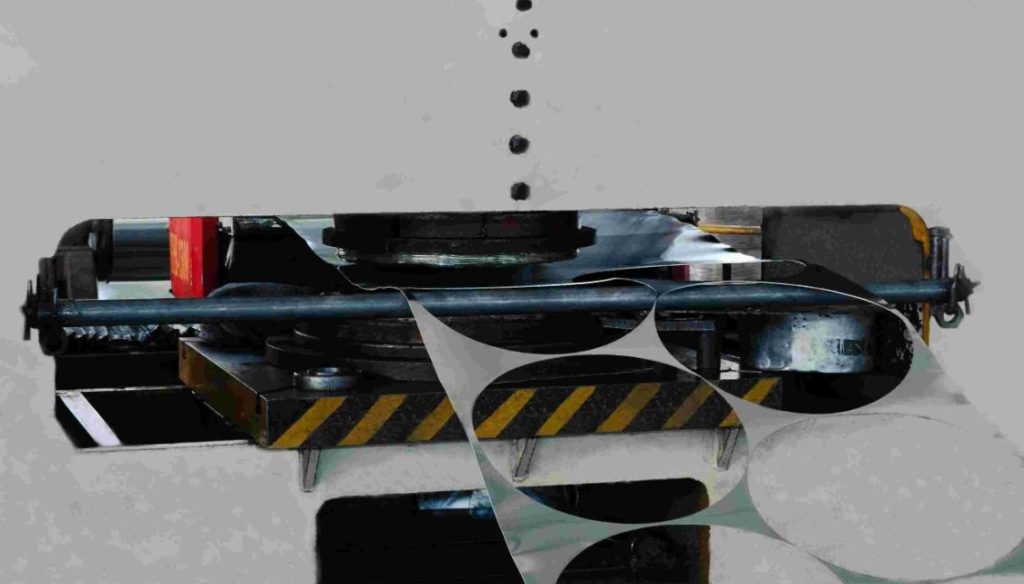
The process of producing high-quality aluminum circles has changed over the years. Currently, the standard process involves the use of advanced uncoiling blanking production lines.
The above process can be classified into the following steps:
- Feeding the Coil: A large aluminum coil is fed into the production line equipment.
- Slitting and Cutting: The machine automatically cuts the aluminum coil to the required width.
- Blanking: The machine then punches the aluminum sheet to form aluminum circles.
The above process is superior to the traditional process used in producing aluminum circles. This process is superior to the traditional process used in producing aluminum circles because it is fully automatic and integrated.
Aluminum Circle vs. Other Cookware Materials
So how does aluminum stack up against stainless steel and cast iron? Here’s the breakdown:
| Material | Pros | Cons |
| Aluminum Circle | Lightweight, excellent heat conduction (93% efficiency), cheap, won’t rust, quick to manufacture (about 4 minutes per piece) | Can react with acidic/alkaline foods, soft metal that scratches and warps easily |
| Stainless Steel Circle | Tough, lasts forever, resists wear, popular with consumers | Poor heat distribution in basic models, complicated to make, takes longer to produce |
| Cast Iron | Holds heat like crazy, naturally non-stick if seasoned right, adds iron to your food, great for slow cooking | Heavy as hell, slow to heat up, rusts easily, complicated manufacturing = expensive |
What we really care about in relation to cooking is the heat efficiency of aluminum, which is in a league of its own. While the heat efficiency of stainless steel and iron is only 1/3 of that of aluminum, the heat efficiency of aluminum cookware is at 93%. And, in addition, aluminum circles are also cheaper. It is for this reason that manufacturers continue to come back to aluminum circles.
Cookware Made of Aluminum Circle
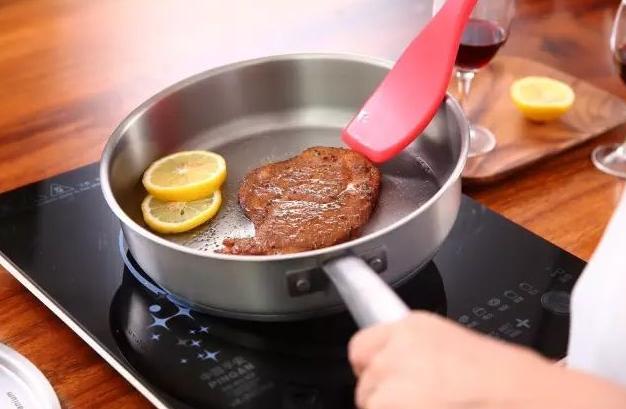
The biggest advantage of aluminum is that it is a very effective conductor of heat. It gets hot quickly and evenly, so you don’t get hot spots where your eggs will burn, and the other side stays cold. Aluminum pots reach 93% efficiency for heat, which means your food will cook faster. It is also very light. Try flipping a pancake in cast iron, and you will see the advantage of aluminum. It is also cheap and quick to make. It only takes four minutes to go from an aluminum circle to a finished pan.
The disadvantage of aluminum? It does not get along well with acidic foods like tomatoes. You will get a metallic taste and color. It is also very soft and scratches and warps quickly.
Cookware Made of Stainless Steel Circle
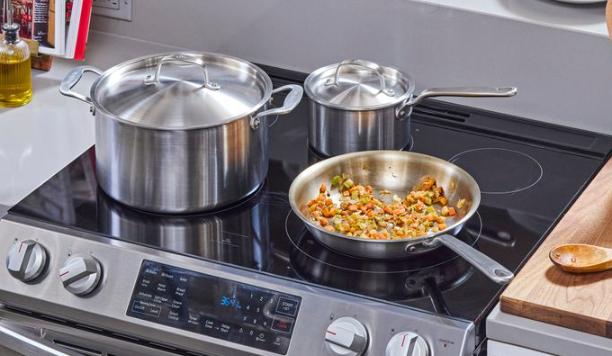
Stainless steel is very durable. You can drop it, abuse it, clean it, and it’ll probably look the same. It won’t react with the food, so go ahead and cook your tomato sauce all day long without a problem. And it has that clean, professional appearance people associate with quality.
The problem with stainless steel, though, is that it doesn’t heat well on its own. That’s why high-quality stainless steel cookware has an aluminum or copper core in the bottom. Otherwise, you’ll end up with hot spots. It also takes longer to produce than aluminum.
Cookware Made of Cast Iron
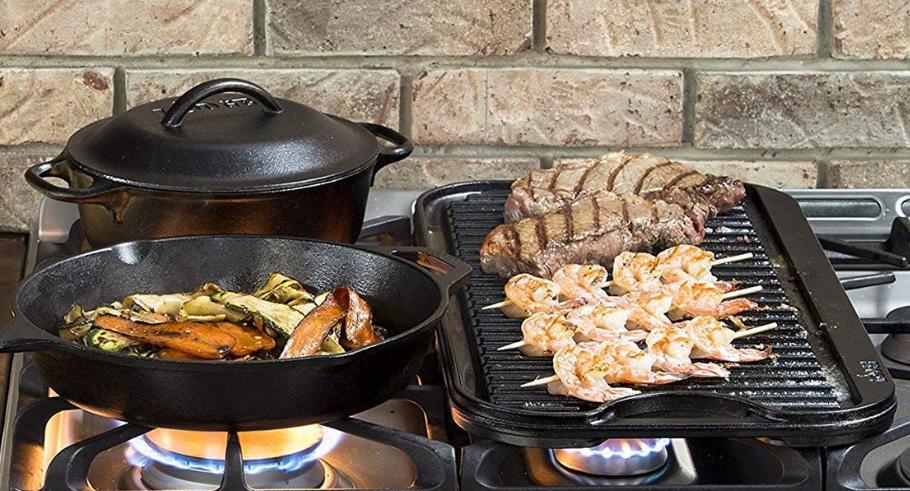
Cast iron is a heat-retainer like no other—it sits hot, and when you want to cook, it’s hot. Great for searing steaks, simmering stews, etc. And, if seasoned correctly, non-stick properties are developed, and iron is added to your meal, which is a bonus for many.
Cons? It’s heavy, man. Like, really heavy. Takes forever to heat up. Rusts when looked at sideways. Acid foods are a no-go, and making cast iron is a process—cast, not cut, so expensive.
How Good Is Aluminum Cookware, Really?
The thing about aluminum cookware is, it’s not all created equal. The cheap kind will warp, scratch, and impart a metallic flavor to your tomato sauce. The good kind will last for years and cook like a dream. What’s the difference? The quality of the aluminum circle began with.
Quality aluminum cookware provides three things:
- Even heating. No hot spots that will burn your garlic while the rest of the pan is cold.
- Quick heating response. Turn down the heat, and the pan will cool down. You’re in control.
- No food reactions. Quality alloys won’t react to acidic ingredients, imparting metallic flavors.
The aluminum-manganese alloy in the better circles maintains the light weight and heat properties while addressing the weaknesses. Rust? Not a chance. Breakage during the manufacturing process? Not with quality material.
Cheap circle, cheap pan. Good circle, good pan. It’s that simple.
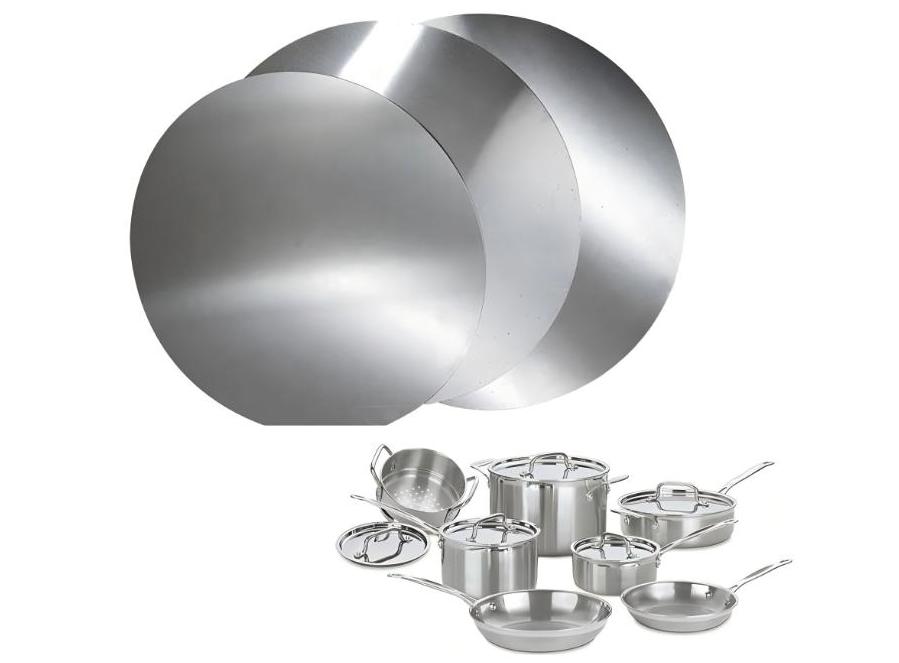
Quality Aluminum Circles Make Quality Cookware
The circle is everything. The way it performs on the stove. The way it lasts in someone’s home. The way it looks on a store shelf. And even though it costs to make.
That’s why companies that actually care about making a good product don’t skimp on the raw material.
We’ve been manufacturing aluminum circles for a long time. We’ve got circles going to more than 80 countries: the US, Canada, Australia, Mexico, Spain, France, India, South Africa… many more. Standard circles, custom circles—whatever a customer needs, we’ll get it done for them. If a customer needs a special-sized circle for a special product, we’ll figure it out for them.
Got a use for aluminum circles? Contact us. Tell us what you’re making, and we’ll tell you how we can help you make it.