
What Types of Aluminum Alloys can Be Anodized?
If you work with aluminum for any length of time, this is one of the questions that always comes up: Can this alloy be anodized? The short answer is: Yes, most aluminum alloys can be anodized, but the results vary considerably from one series of alloys to another.
In this article, we’ll discuss the best, good, and bad aluminum alloys for anodizing, so that you can make the right choice from the very beginning.
What Determines the Suitability of an Aluminum Alloy for Anodizing?
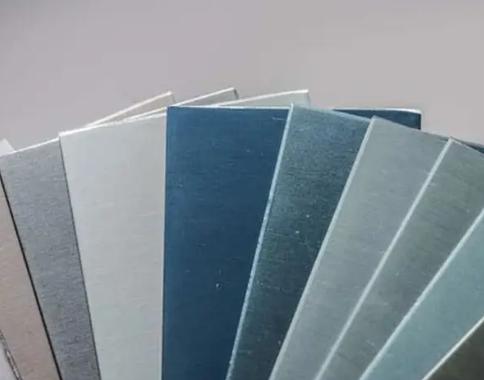
Anodizing is an electrochemical process that turns the surface of the aluminum into a hard oxide layer. The most important thing in this process is the composition of the alloy.
Pure aluminum produces a bright, even oxide layer. As you add more alloying components, such as copper, silicon, magnesium, or zinc, the anodized result will vary. Some components may increase strength but lower the quality of the anodized layer, which may appear as dark spots, irregular layers, or low corrosion resistance.
Therefore, in determining the suitability of an alloy for anodizing, you should consider the following:
- Surface quality after anodizing
- Color uniformity
- Thickness and hardness of the layer
- Corrosion resistance
Best Aluminum Alloy Series for Anodizing
1000 Series (Pure Aluminum)
If appearance is the major concern, the 1000 series is difficult to match. With an aluminum content of more than 99%, it offers an extremely bright, clean, and uniform anodized finish.
This series is generally used for decorative panels, lighting reflectors, and nameplates. However, it lacks strength, so it is not suitable for structural applications.
From the anodizing viewpoint, it is an excellent series.
3000 Series (Al-Mn Alloys)
The 3000 series, particularly the 3003 and 3004 series materials, have consistently anodized well. Although there is a slight decrease in brightness due to the presence of manganese, there is still a smooth finish.
This series is used for cookware, enclosures, etc. This series would be a good choice if you are looking for something formable and inexpensive for anodizing.
5000 Series (Al-Mg Alloys)
In many industrial applications of anodized aluminum, the 5000 series is the first choice.
Magnesium is a good alloy for anodizing, as it forms a compact and corrosion-resistant oxide layer. Alloys such as 5052, 5005, and 5083 are commonly anodized.
However, in anodizing, a higher concentration of magnesium slightly darkens the anodized layer. In cosmetic applications, 5005 is preferred over 5052 because of consistent color.
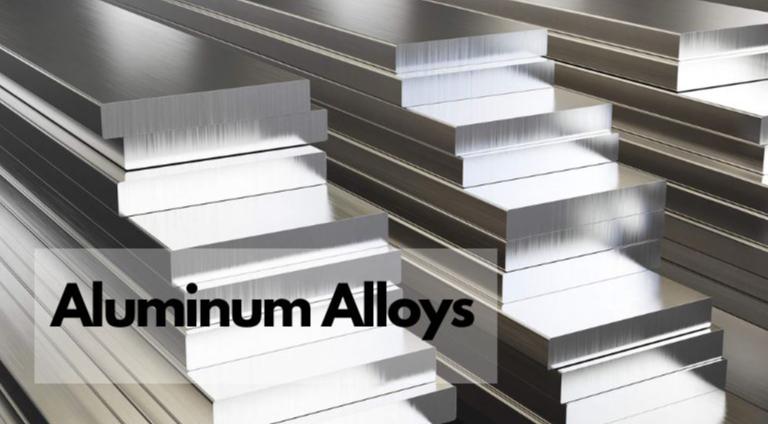
Aluminum Alloys That Can Be Anodized, But With Limitations
6000 Series (Al-Mg-Si Alloys)
The 6000 series is anodized, and they are popular materials, particularly 6061 and 6063.
But be aware that there are issues related to the silicon content that affect how well the surface anodizes. You may see color variations or a gray tint.
6063 tends to anodize well over 6061 and is often used for architectural parts where appearance is important.
6061 is popular for functional parts.
2000 Series (Al-Cu Alloys)
This is where anodizing gets a little tricky.
The copper in these alloys interferes with the development of the oxide layer.
While anodizing these series of alloys is technically possible, the results are usually dark, uneven, and hard to dye.
These alloys are typically used in aerospace and high-strength applications, and anodizing is usually done for protection, not decoration. Decorative anodizing is not recommended.
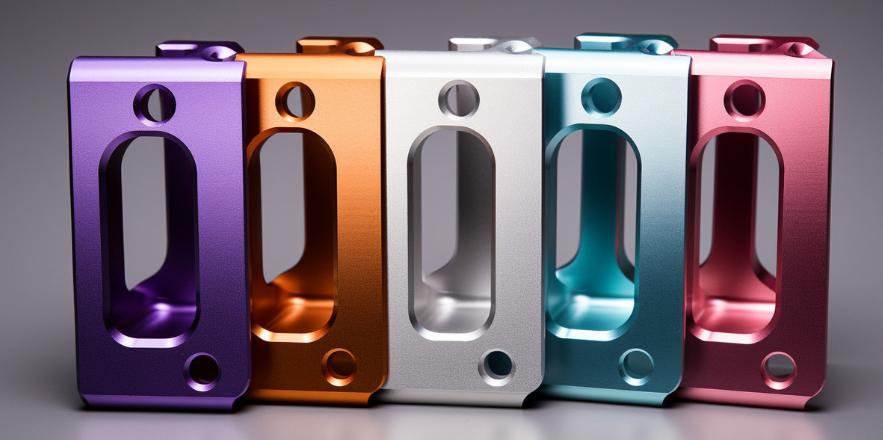
Aluminum Alloys That Are Poor Choices for Anodizing
7000 Series (Al-Zn Alloys)
The 7000 series has a high amount of Zinc and often Copper as well. They are designed for strength, not surface finish.
While anodizing can be done, a non-uniform coating and color are common problems, and often coating and painting are more feasible options.
Does Form Matter? Sheet, Coil, Disc, Foil
Yes, form matters—but less than alloy selection.
Aluminum sheets, coils, and discs can be anodized very well if the alloy and surface quality are well controlled. Foil is rarely anodized because of thickness considerations, although there are some specialty uses.
From a manufacturing standpoint, clean rolling, good annealing, and low impurities are as important as alloy selection.
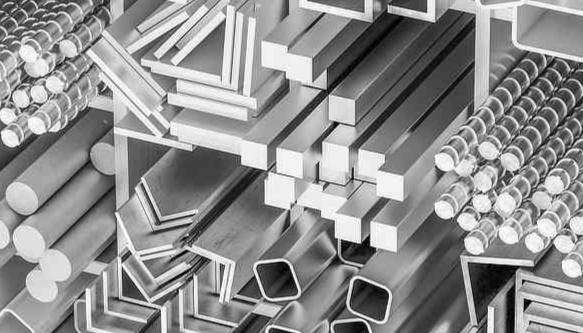
Choose the Alloy Before You Choose the Finish
If anodizing is required, don’t treat it as an afterthought. Start with the right aluminum alloy.
- For best appearance: 1000 or 5000 series
- For balanced performance: 6000 series
- Avoid anodizing expectations on 2000 and 7000 series
If you’re sourcing aluminum discs, sheets, coils, or plates for anodizing applications, working directly with a manufacturer who understands anodizing behavior can save you time, cost, and rework.
If you want help selecting the right aluminum alloy for your anodizing project, feel free to reach out.