Stop Buying Capacity, Start Buying Capability: The Future of High-Performance Aluminum Circles
In the era of competition 2026, the world aluminum market is at the point of tipping. While the raw capacity for production is at a record-high but true production “capability” remains a rare item. For cookware manufacturers and industrial producers and other manufacturers, the expense of a low-quality, cheap aluminum circle isn’t just a cost of purchasing it, but the hidden cost of high rejection rates, shattered production chains and a deterioration in brand image.
The Invisible Difference: DC vs. CC Aluminum Circles
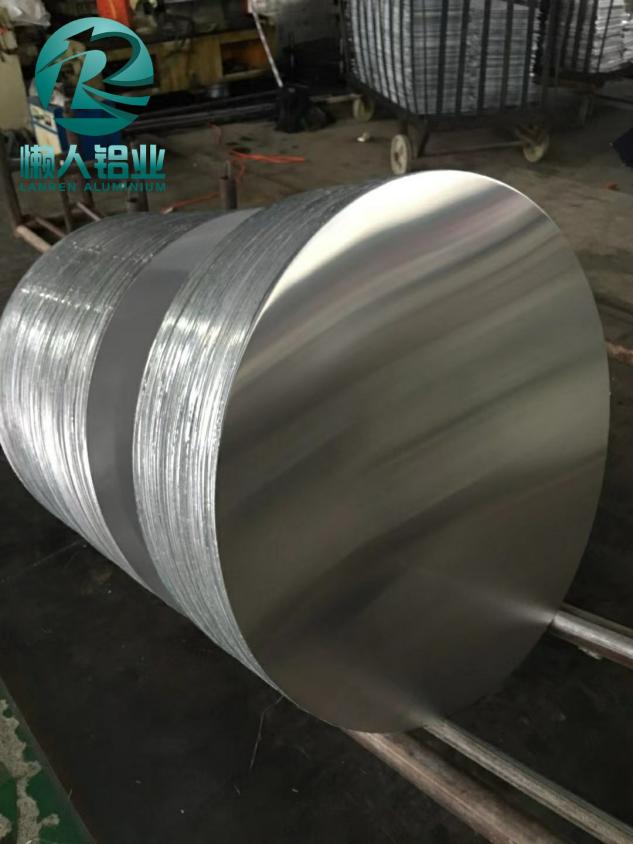
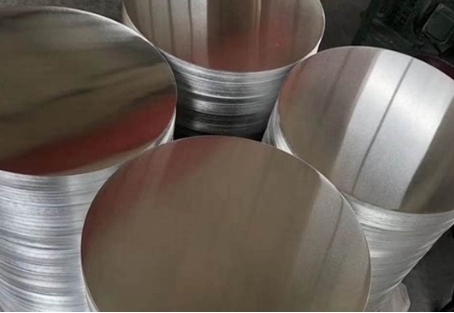
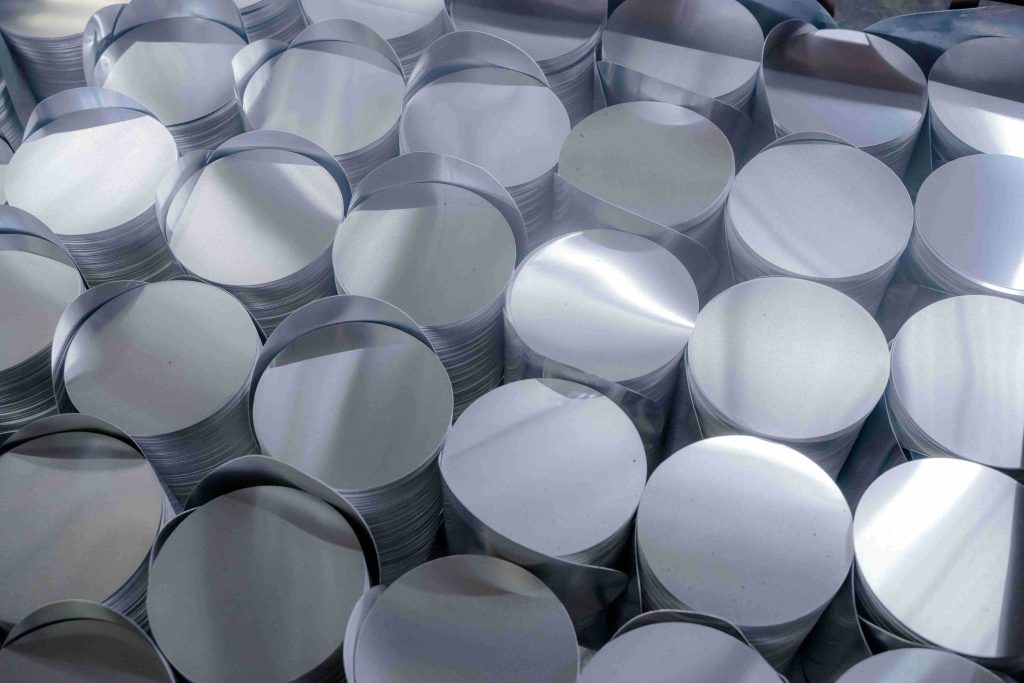
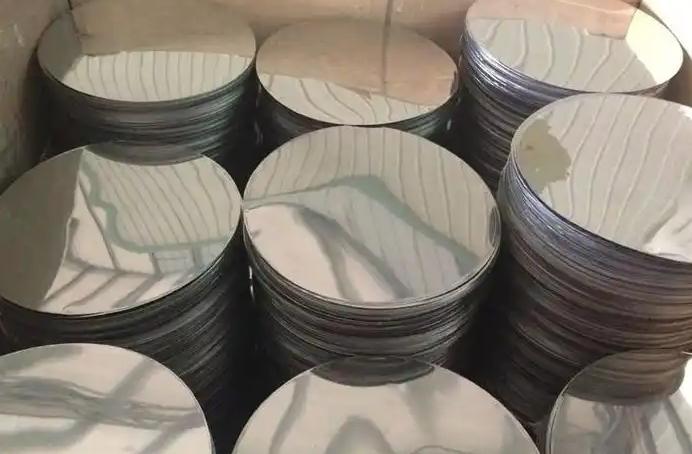
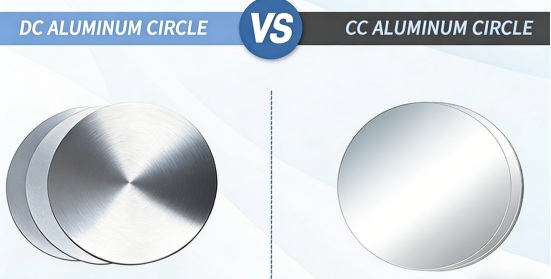
For the uninitiated, an aluminum circle that are of the same type could appear identical on the floor of a warehouse. But their inner “DNA” tells a different story. The process of manufacturing– Direct Chill (DC) versus Continuous Casting (CC)–determines how the metal behaves under the extreme pressure of the hydraulic press.
What is CC (Continuous Casting)?
Continuous Casting is known as the “fast food” of aluminum production. The molten metal gets cast straight into coils with a continuous movement. Although this method is extremely efficient and provides an affordable price but it usually results in a coarser grain. For products that are simple and shallow like trays with basic design or light reflectors CC circles are an affordable alternative. But, they can be a challenge when they are stretched to the limit in structural deformability.
What is DC (Direct Chill)?
Direct Chill, also known as hot-rolled production is a more sophisticated multi-stage procedure that involves multiple stages. First, the aluminum gets melted into huge ingots, which are then scalped, heated and then passed through a series cold and hot mills. The mechanical process reduces impurities and refines the structure of grain. This results in a homogeneous, “stress-relieved” material that is able to withstand the ductility required by intricate designs.
| Feature | CC (Continuous Casting) | DC (Direct Chill) |
| Grain Structure | Coarse, elongated | Fine, equiaxed (uniform) |
| Deep Drawing | Limited (Low to Medium) | Superior (Extra Deep) |
| Surface Finish | Risk of “Orange Peel” | Smooth, high-reflective |
| Anodizing | Potential streaks | Consistent, vivid color |
Why “Deep Drawing” is the Ultimate Capability Test?
In 2026, the design of cookware is advancing towards more imposing, deeper with more seamless geometric shapes. “Deep drawing” is the method of stretching an aluminum disk into a 3-dimensional vessel like an industrial stockpot or pressure cooker. This is the place where “Capability” outshines “Capacity.”
If you’re using an insufficient capacity CC circle for a deep draw application, you’ll experience this “Orange Peel” effect. When the metal expands over time, the fine grains are apparent in the eyes of the viewer, resulting in rough, pitted surfaces which resembles peeling off the orange. It’s not just visually undesirable, but it also causes weak points within the metal which could result in “earing” (uneven edges) or complete structural failure in the course of production.
High-performance DC circles provide the benefit of a very fine grain size that is typically defined in microns. The microscopic consistency lets the metal move like silk through the mold. For a company that means an 99.9% chance of success in the manufacturing line drastically decreasing the cost of labor with polishing by hand or scrap recycling.
Choosing the Right Alloy Grade for Your Cookware
Understanding the metallurgy that creates those circles can be considered the second step changing from a buyer into an analyst. It is important to understand that the “Capability” of your final product is determined on the basis of what alloys you choose.
1050 & 1100 Series: The Pure Classics
with an aluminium purity of 99.5% or greater These grades are considered to be the gold standard in thermal conductivity. They are extremely flexible and easy to mold which makes them ideal for high-end fry pans and reflective industrial reflectors with a high-temperature tolerance. If you’re looking to create an item that can heat up rapidly and evenly, The 1000 Series is your ideal partner.
3003 Series: The Strength Specialist
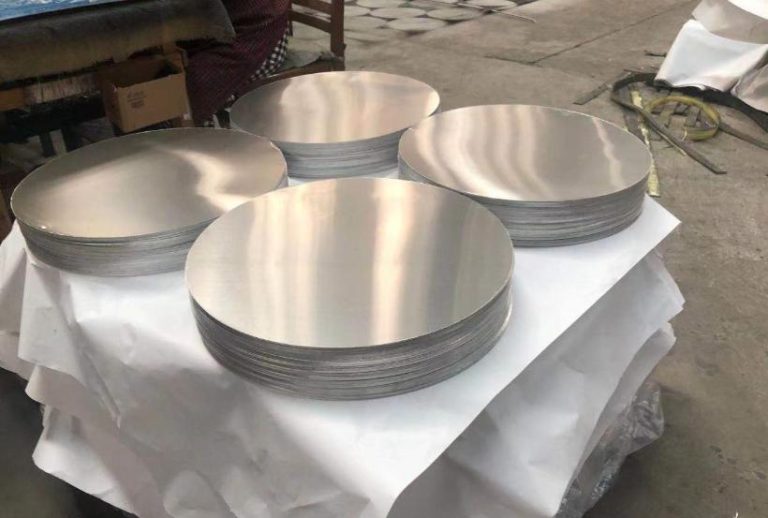
In addition to a precise quantity in Manganese (Mn) The 3003 alloy provides around 20 percent more strength than the 1100 series. It is a “workhorse” alloy for 2026. It is extremely resistive to corrosion, and it is a popular option for pressure cookers that are heavy-duty and commercial-grade kitchenware which must endure the demands of a commercial restaurant.
The Role of Temper (O, H12, H14)
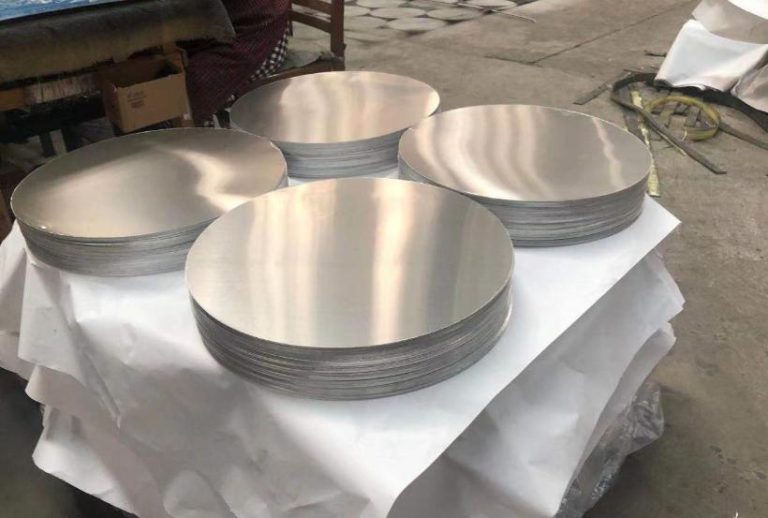
“Capability” also involves the temper. A “O” (Annealed)temper circle is in its most soft state, offering maximum elongation and length for the most intense draws. In contrast the H14temper provides more rigidity to smaller objects. A high-capability provider won’t simply demand your alloy; they’ll analyze the depth of your mold to suggest the ideal temper balance.
How to Source “Capability” Instead of “Capacity”
Modern procurement managers must be able to look beyond the quote sheet. To ensure a secure supply chain, it is essential to assess the technical capabilities of your supplier.
- Find out more about the casting process: Do not just settle for “Aluminum Circle.” Be specific “Is this DC or CC material?” If they can’t give you a definitive answer the company is selling you capacity, not capabilities.
2. Contact us for Metallurgical report: A reputable partner will offer an Micrograph Analysis. This image illustrates how the grains of the material are formed. If the grain structure resembles tiny, uniform pebbles, you’ve got a material that’s highly efficient.
3. Assess your “Total Cost of Ownership” (TCO): For example, a DC circle could cost you 5% more per ton but if it decreases the scrap rate of your manufacturing plant from 4% to 0.5%, and reduces the polishing time by half, it’s the most affordable material over the long term.cal work that requires precision.
Future-Proof Your Supply Chain
In the midst of the complex nature of the industrial market in 2026, the difference between a commodity and a custom-made item has never been more clear. Selecting Lanren premium aluminum circles is a significant investment in your company’s integrity in engineering. When you prioritize Direct Chill technology and precision alloys, you will eliminate production bottlenecks and produce products that surpass the expectations of your customers. Don’t stock your warehouse with tons of tonnage and equipment; give your facility the ability to produce excellence.
Related Products