What’s the Best Aluminium Alloy for Machining
|

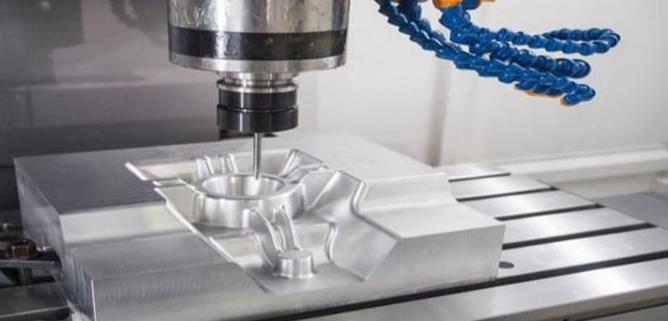
What’s the Best Aluminium Alloy for Machining

Aluminum is the best choice for machining because of its lightweight, corrosion resistance, and outstanding working capabilities. However, it is not the case that all alloys of aluminum are identical. Some can cut as butter, while others require slow speeds and special tools. What alloy of aluminum is the best to use for machine work? This…

Which is Better for Cooking: Aluminium or Ceramic Cookware? Manufacturer’s Perspective
|

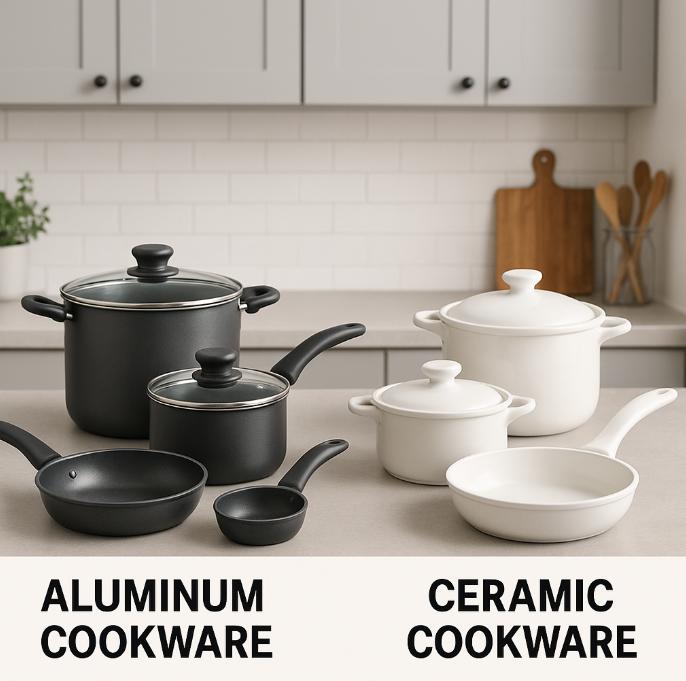
Which is Better for Cooking: Aluminium or Ceramic Cookware? Manufacturer’s Perspective

Modern consumers not only pay attention to the basic cooking functions of cookware, but also have higher requirements for health, environmental protection, durability, ease of use and aesthetic design. Aluminum and ceramic, as two common and unique materials in cookware manufacturing, each has its own unique advantages and challenges. We’ll explore the characteristics that define these…

Why Choose Aluminium Foil for Packaging? Benefits & Applications
|

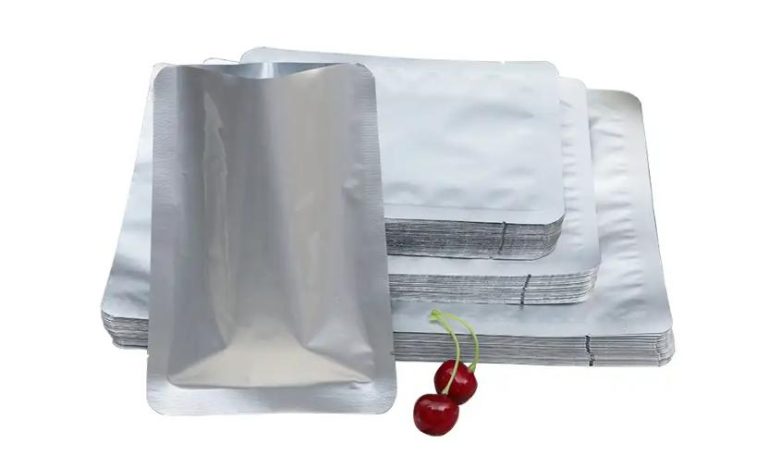
Why Choose Aluminium Foil for Packaging? Benefits & Applications

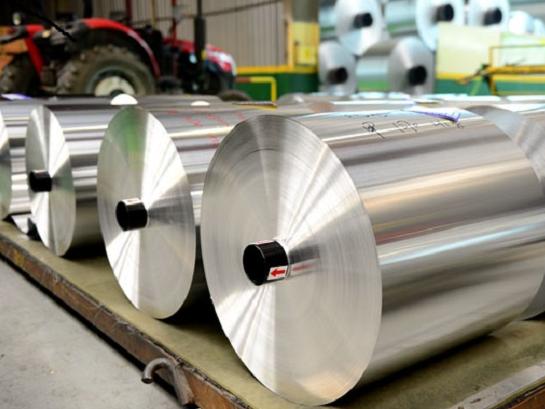
Aluminium foil stands out among various packaging materials due to its superior properties and versatility, helping protect product quality while increasing shelf appeal. Aluminium foil offers this in spades. Aluminium foil has become an indispensable resource across industries–from food and pharmaceuticals, cosmetics, and industrial goods–providing reliable protection against moisture, oxygen, light, and contaminants. Utilised by food…

PVDF vs. PE Coated Aluminum Coil: Which Costs More?
|

PVDF vs. PE Coated Aluminum Coil: Which Costs More?

The price of a coated aluminum coil is a critical factor for businesses in industries such as construction, transportation, and signage. When comparing PVDF (polyvinylidene fluoride) and PE (polyester) coatings, the cost often comes down to a balance of performance and application-specific needs. So, which coating costs more? In general, PVDF-coated aluminum coils are more expensive due…

Aluminium Circle vs. Aluminium Sheet: Which One Suits Your Project?
|

Aluminium Circle vs. Aluminium Sheet: Which One Suits Your Project?

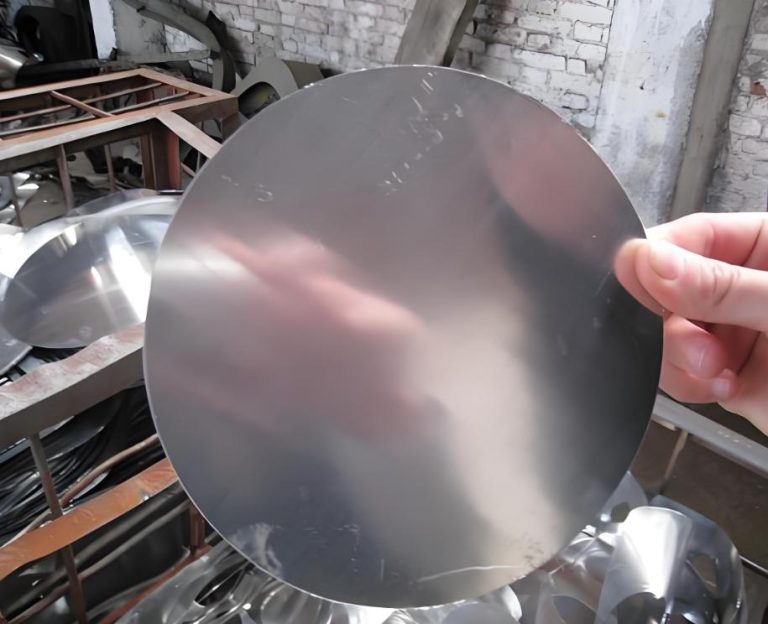
Aluminium is popular in a variety of industries because of its lightness, durability, resistance to corrosion, and superior ability to form. Two commonly used types of aluminum–aluminium circle and aluminium sheet–often have different needs based on the particular task at hand. Knowing their distinctions is essential when choosing the appropriate material for your project. This article explains…

How to Reduce Material Waste When Cutting Aluminum Sheets
|

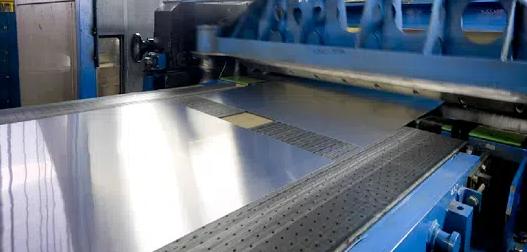
How to Reduce Material Waste When Cutting Aluminum Sheets

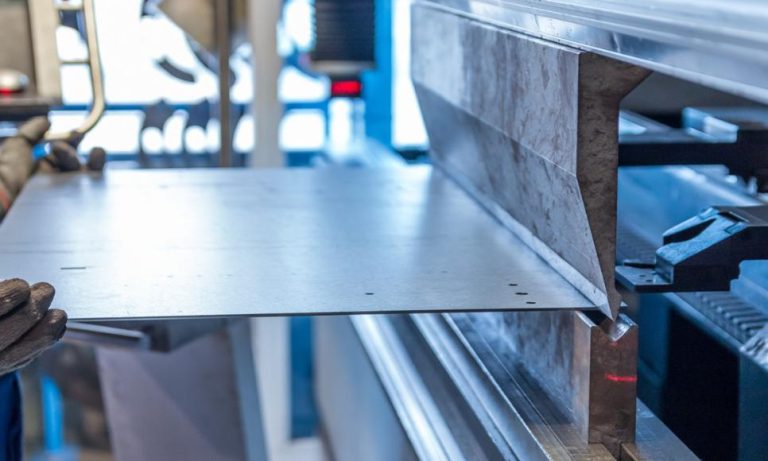
Aluminium is one of the most diverse materials, being used in everything from car production and design through to manufacturing and construction. However, cutting aluminum sheets wastes material, not only harming the environment but also adding to the cost of production; fortunately, some handy techniques and tools can reduce the wastage, streamlining the cutting process to be…

Mill Finish Aluminium Circle vs. Anodized Aluminium Circle for Industrial Applications
|

Mill Finish Aluminium Circle vs. Anodized Aluminium Circle for Industrial Applications

Aluminum circles are an ideal material choice for industrial applications because of their light weight corrosion resistance, lightweight, and thermal conductivity capabilities. In deciding between mill finish aluminium circles and anodized aluminium circles for particular applications however, both the mill-finish and anodized models can have a significant impact on the performance and longevity of the product. This guide will explain…

What Makes 8000 Series Aluminum So Unique?
|

What Makes 8000 Series Aluminum So Unique?

The 8000 series aluminum alloys (AA8000) are a category of wrought aluminum alloys primarily designed with non-traditional elements like iron (Fe) and silicon (Si). These alloys have carved a niche in industrial applications due to their unique composition, balanced properties, and cost-effectiveness. Compared to traditional aluminum alloys (e.g., 1000 series pure aluminum and 5000 Al-Mg alloys),…

Aluminium Chequer Plate vs. Steel Tread Plate: Which is Better for Your Project?
|

Aluminium Chequer Plate vs. Steel Tread Plate: Which is Better for Your Project?

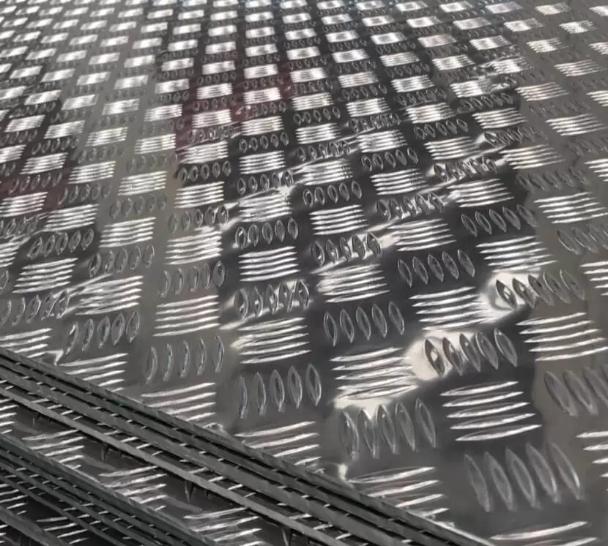
If you are requiring a checkered plate for your project, common choices are steel checkered plate and aluminium checkered plate (also known as aluminium checkered plate). But what suits you best? Generally, you have to consider factors such as weight, strength, corrosion resistance, and cost. Consequently, in this article, we compare aluminium checkered plate and…

Before You Buy: The 7 Key Characteristics of Choosing Aircraft Aluminum Sheets
|

Before You Buy: The 7 Key Characteristics of Choosing Aircraft Aluminum Sheets

Aluminum sheets are critical materials in aerospace manufacturing, accounting for 60%–80% of modern aircraft structures, from skin panels to load-bearing frames. As aircraft evolve toward lightweight and extended service life, the selection criteria for aircraft aluminum sheets have become increasingly stringent. This article systematically analyzes the 7 core performance parameters for aerospace-grade aluminum sheets, supported by technical…

How to Calculate the Weight of Aluminium Circles?
|

How to Calculate the Weight of Aluminium Circles?

Calculating the weight of aluminium circles is essential for manufacturers, suppliers and customers who rely on precision in their projects. From cookware production to automotive component manufacture or industrial design projects – knowing exactly the weight helps ensure cost efficiency, logistics planning and structural integrity. Why You Need to Calculate the Weight of Aluminium Circles Understanding the…

Why Restaurants Prefer Aluminum Pots?
|

Why Restaurants Prefer Aluminum Pots?

In the bustling environment of a commercial kitchen, efficiency, cost-effectiveness, and durability are paramount. While a variety of cookware materials are available, aluminum pots have long been a staple in restaurant kitchens worldwide. This preference isn’t arbitrary; it stems from a confluence of practical advantages that directly impact a restaurant’s bottom line and operational efficiency. This…